 Eng
Eng
 日本語
日本語 Latine
 বাংলা
বাংলা 한국어
한국어 Tiếng Việt
 ไทย
ไทย Hrvatski
 dansk
dansk čeština
 Nederlands
 Pilipino
 Suomalainen
 Magyar
 Indonesia
 italiano
 Gaeilge
 Bahasa Melayu
 فارسی
فارسی norsk
norsk Português
 Polskie
 Română
 Slovák
 svenska
 Türk
Türk
สองฤดูหนาวหลังจากที่สวนสาธารณะชุมชนติดตั้งชุดชิงช้าใหม่ โซ่แขวนได้สึกกร่อนไปแล้ว มีที่นั่งหนึ่งรอบรูสลักเกลียวแตก และแบรนด์ที่จัดหาอุปกรณ์ไม่สามารถจัดหาชิ้นส่วนทดแทนได้อีกต่อไป ผู้จัดการฝ่ายสิ่งอำนวยความสะดวกก็รู้เรื่องนี้ดีเช่นกัน แบรนด์ที่อยู่เบื้องหลังอุปกรณ์สนามเด็กเล่นเชิงพาณิชย์จะตัดสินว...
อ่านเพิ่มเติมผู้ผลิตเชือกปีนเขา บันไดปีน และหินปีนสำหรับเด็ก
เชือกปีนและบันไดและหินนำเสนอระบบการปีนที่ปลอดภัยเพื่อพัฒนาการทางร่างกายของเด็ก ประกอบด้วย:
เชือก: เชือก PE/โพลีเอสเตอร์กันลื่นพร้อมความต้านทานรังสียูวี
บันได: ไม้เนื้อแข็งป้องกันการกัดกร่อน (เบิร์ช/บีช)
หิน: PP ไร้รอยต่อที่มีขอบโค้งมนและพื้นผิวที่จับ
ชิ้นส่วนโลหะทั้งหมดมีการเคลือบกันสนิม ได้รับการรับรอง EN71/ASTM สำหรับสวนหลังบ้าน โรงเรียนอนุบาล และสนามเด็กเล่น
การออกแบบที่เป็นมิตรต่อสิ่งแวดล้อมมีความสมดุลระหว่างความท้าทายและความปลอดภัย สนับสนุนการเล่นแบบครอบครัวไปจนถึงกิจกรรมกลุ่ม โดยสร้างความแข็งแกร่ง การประสานงาน และความมั่นใจผ่านการผจญภัยที่มีโครงสร้าง
]ข้อมูลจะได้รับการอัปเดต
เกี่ยวกับเรา
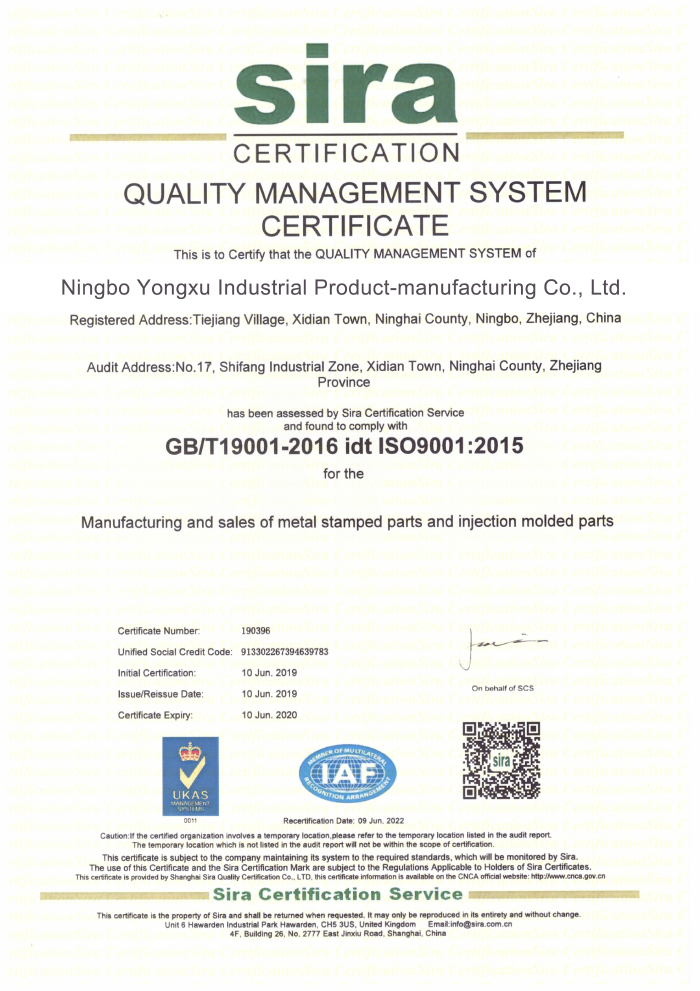
Ningbo Yongxu Industrial Product Manufacturing Co., Ltd.
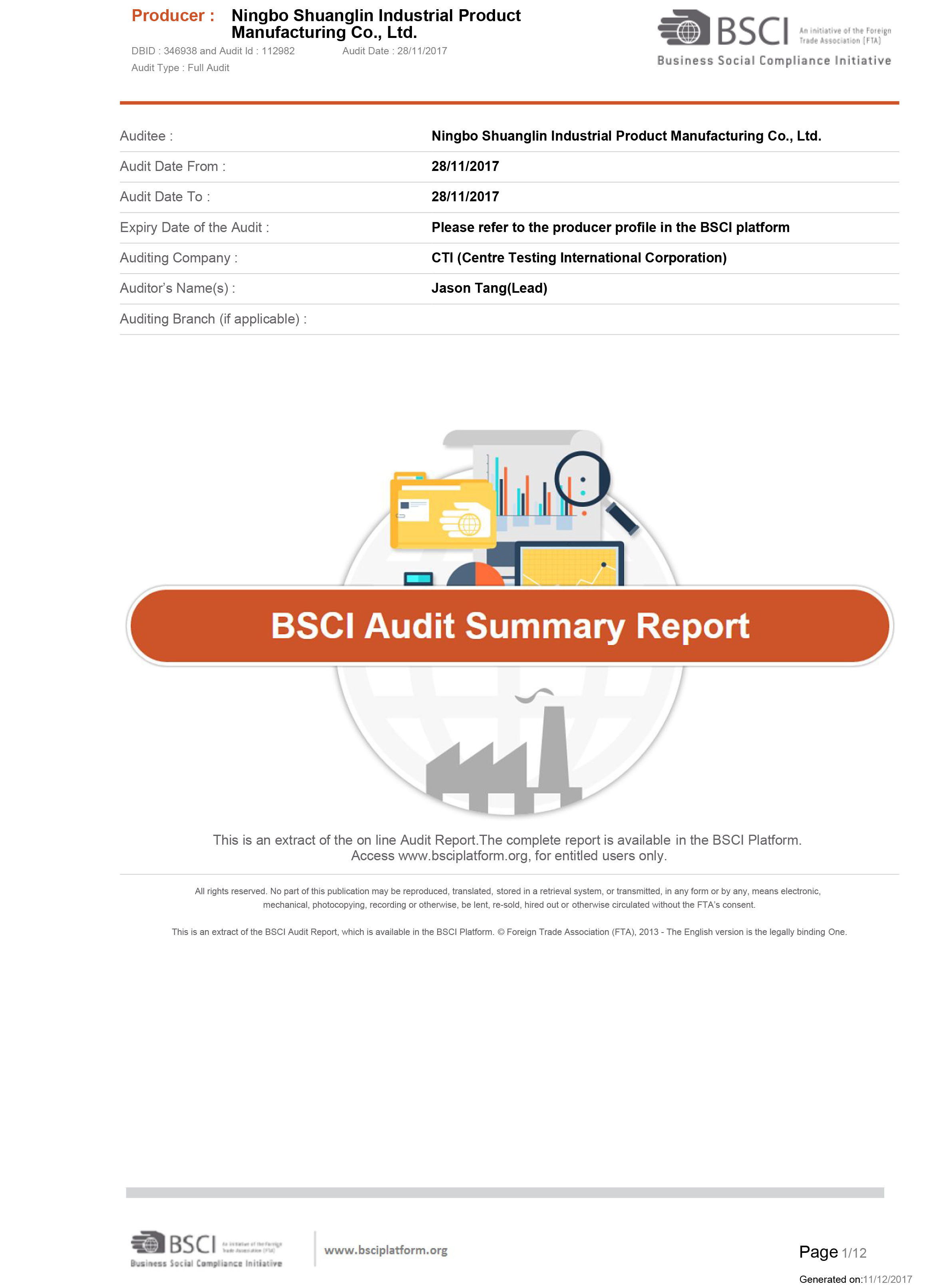
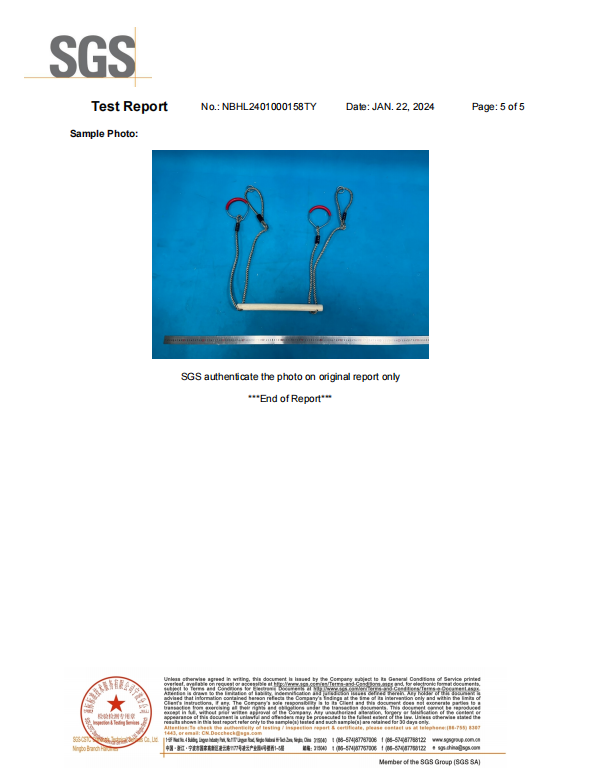
Ningbo Yongxu Industrial Product Manufacturing Co., Ltd. คือ จีน ผู้ผลิตเชือกปีนเขา บันไดปีน และหินปีนสำหรับเด็ก และ สั่งทำพิเศษ โรงงานเชือกปีนเขา บันไดปีน และหินปีนสำหรับเด็ก. ห้องตรวจวัดมีเครื่องวัดพิกัดสามมิติ (CMM), เครื่องทดสอบแรงดึง, เครื่องฉายภาพดิจิทัล, ห้องทดสอบละอองเกลือ และอุปกรณ์ตรวจสอบอื่นๆ ครอบคลุมการตรวจสอบคุณภาพอย่างครอบคลุมสำหรับผลิตภัณฑ์ฉีดขึ้นรูป ผลิตภัณฑ์โลหะ และผลิตภัณฑ์พ่นสีตลอดทั้งกระบวนการ เวลาตอบสนองสำหรับการตรวจสอบเร่งด่วนน้อยกว่า 30 นาที
ใบรับรองเกียรติคุณ
ข่าว
-
-
เมื่อฤดูใบไม้ผลิที่แล้ว ผู้อำนวยการฝ่ายสิ่งอำนวยความสะดวกของโรงเรียนในรัฐโอไฮโอโทรหาเราเกี่ยวกับสนามเด็กเล่นที่มีกำหนดการปรับปรุงใหม่ เส้นใยไม้เอ็นจิเนียริ่งที่มีอยู่อัดแน่นเป็นเปลือกแข็ง พื้นผิวไม่สามารถระบายน้ำได้อย่างเหมาะสมอีกต่อไป และผู้ปกครองที่ใช้รถเข็นก็หยุดใช้เส้นทางที่เข้าถึงได้โดยสิ...
อ่านเพิ่มเติม -
โดมปีนป่ายในสวนหลังบ้านเป็นโครงเหล็กครึ่งทรงกลมที่เด็กๆ สามารถปีนได้จากทุกด้าน และสำหรับครอบครัวส่วนใหญ่ เป็นวิธีที่มีประสิทธิภาพมากที่สุดในการปีนสนามหญ้าเล็กๆ โมเดลทั่วไปขนาด 10 ฟุตครอบคลุมพื้นที่สนามหญ้าประมาณ 80 ตารางฟุต ไม่ต้องการส่วนโค้งสำหรับแกว่ง และให้เด็กสามถึงห้าคนเล่นได้ในคราวเดียว ...
อ่านเพิ่มเติม
ข้อความตอบกลับ
สินค้าที่เกี่ยวข้อง
-
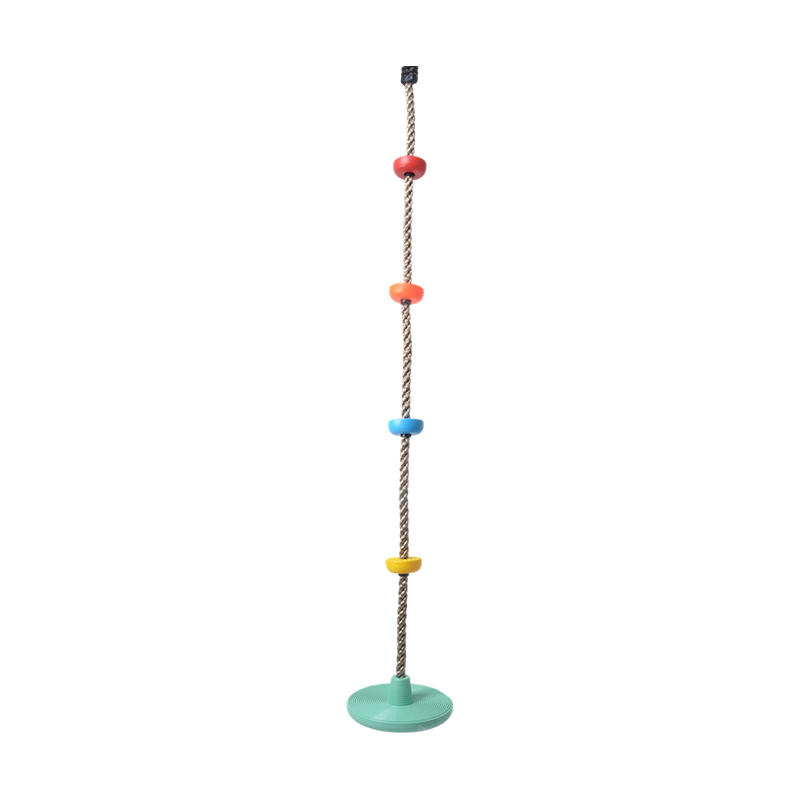
เชือกปีนเขาอเนกประสงค์พร้อมแท่นและชุดเบาะนั่งแบบสวิงดิสก์ ได้รับการออกแบบมาเป็นพิเศษสำหรับเด็กอายุ 6 ปีขึ้นไป โดยมีการออกแบบร่องขั้นบันไดระหว่างแผ่นดิสก์และฐานเพื่อเพิ่มความมั่นคงของเท้า ผลิตภัณฑ์ท...
ดูรายละเอียด -
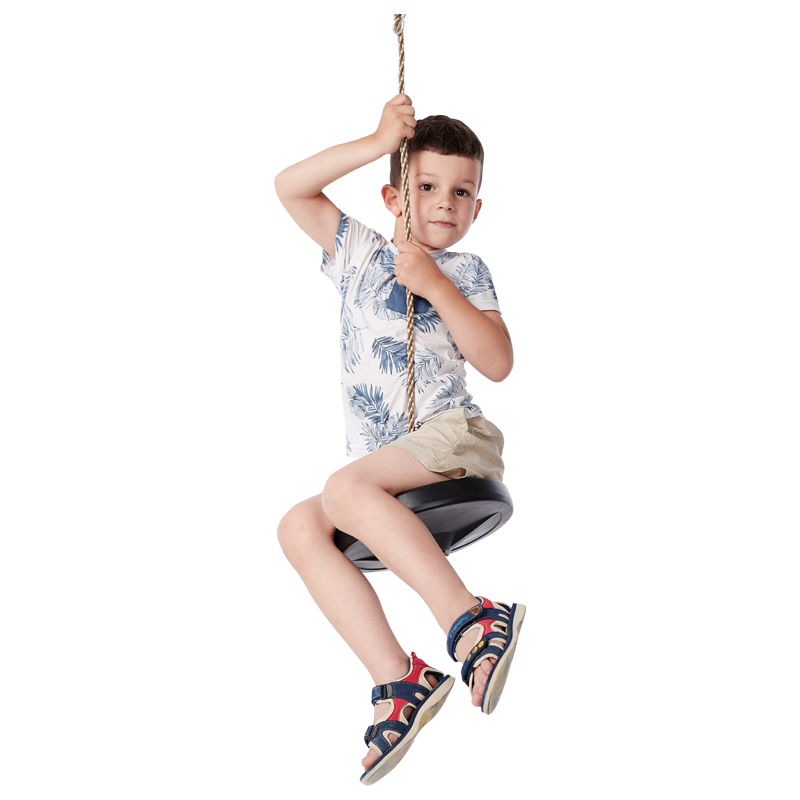
ชิงช้าดิสก์พร้อมเชือกนี้มีเส้นผ่านศูนย์กลาง 28 ซม. ดิสก์หนา 7 ซม. เชือกปรับความสูงได้ 1.4 ม. - 1.8 ม. และวงแหวนโลหะ ชิงช้าลิงนี้ผลิตจากพลาสติกโพลีเอทิลีนที่เป็นมิตรต่อสิ่งแวดล้อม ต้องใช้มือและเท้าพ...
ดูรายละเอียด -
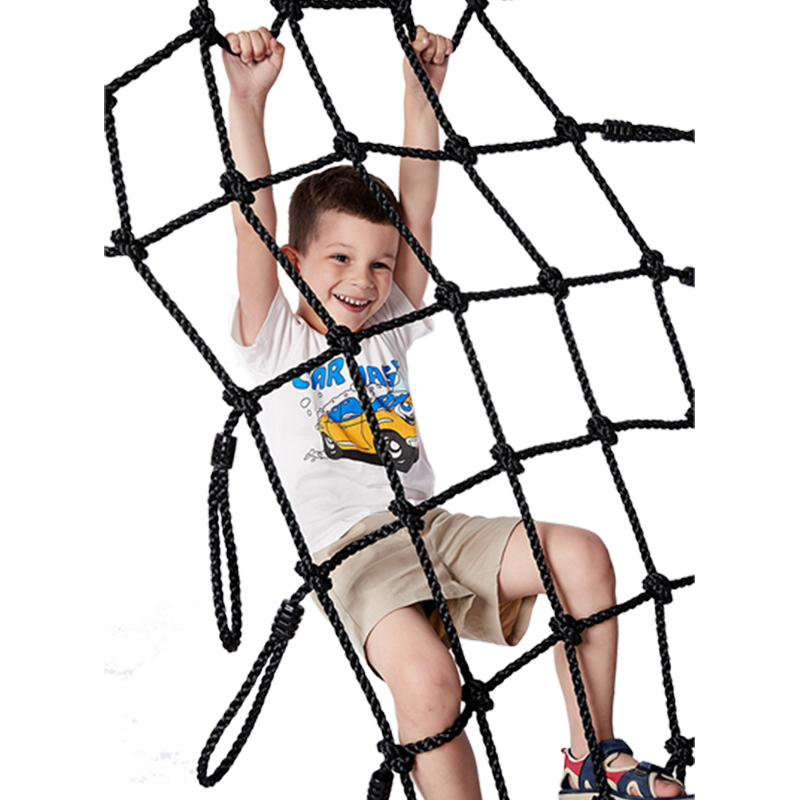
ตาข่ายสำหรับปีนผาผจญภัยกลางแจ้งของเรามีตัวเลือกเชือกขนาดเส้นผ่านศูนย์กลาง 12 มม./18 มม. พร้อมระยะห่างของตาข่ายที่สม่ำเสมอและความสามารถในการรับน้ำหนัก ทำให้มั่นใจได้ว่าไม่มีการหย่อนคล้อย เหมาะสำหรับ...
ดูรายละเอียด -
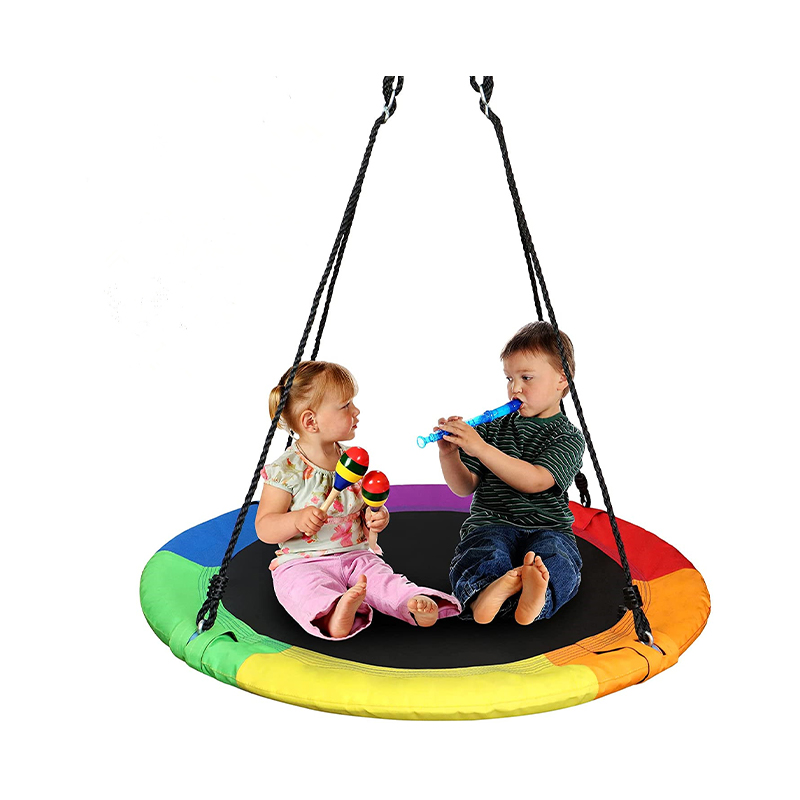
ชิงช้าจานรองขนาดยักษ์ขนาด 40 นิ้วนี้ใช้ผ้า Oxford 900D/600D ซึ่งกันน้ำ กันเชื้อรา ป้องกันการฉีกขาด และป้องกันรังสียูวี เพื่อรักษาสีสันสดใสแม้หลังจากสัมผัสเป็นเวลานาน แผงผ้า Oxford หลากสีสร้างเฉดสีท...
ดูรายละเอียด -
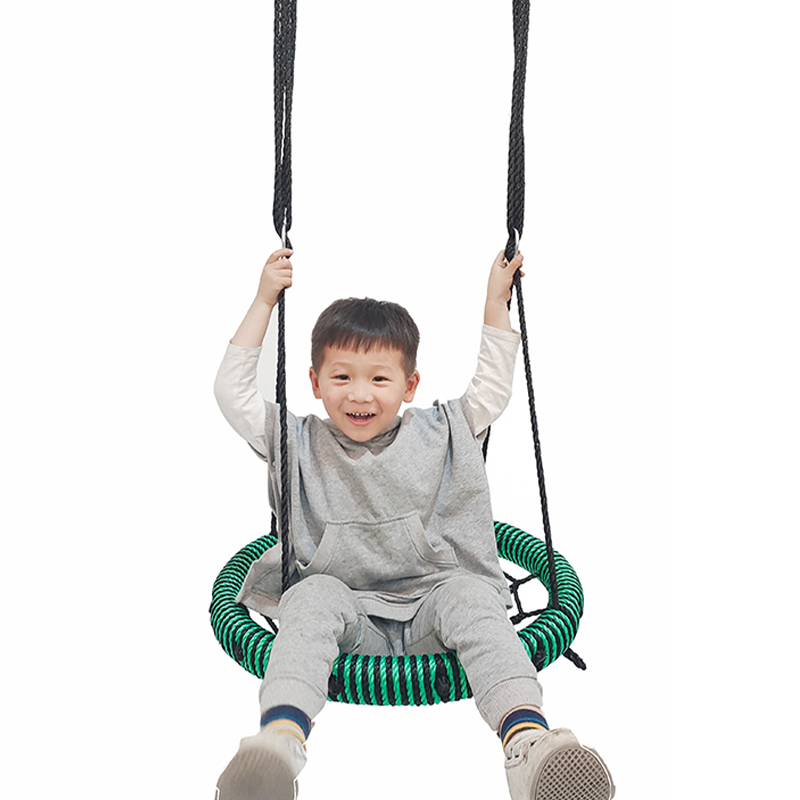
ชิงช้าตาข่ายรังขนาด 60 ซม. ออกแบบมาเป็นพิเศษสำหรับเด็ก เหมาะสำหรับใช้งานครั้งเดียว โครงมีท่อเหล็กเสริมความหนา 45x1.0 มม. เพื่อเพิ่มความสามารถในการรับน้ำหนักและความปลอดภัย พื้นผิวของท่อเหล็กของชิงช้...
ดูรายละเอียด -
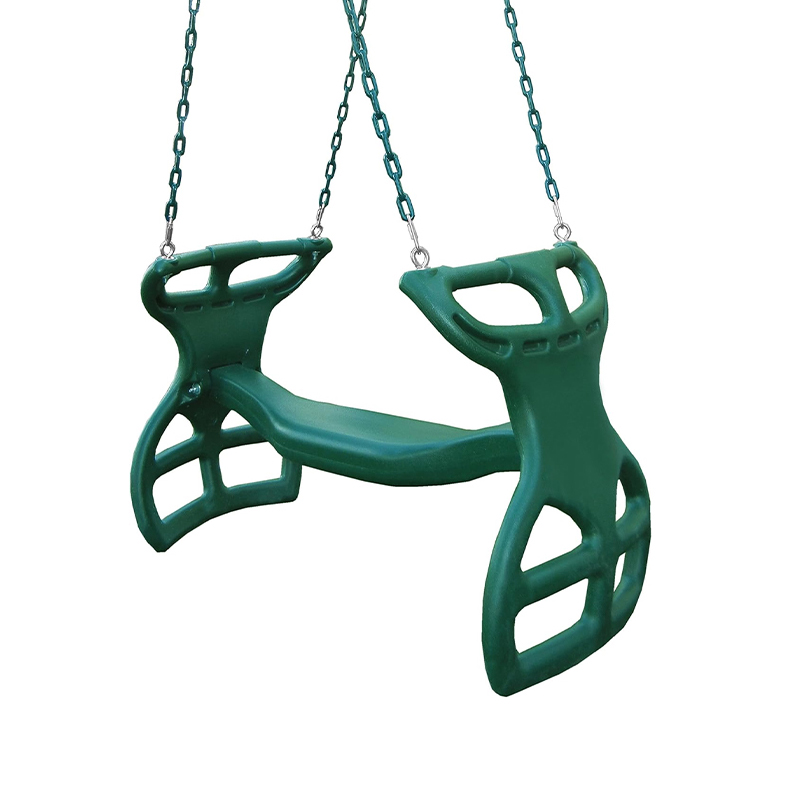
ชิงช้าเครื่องร่อนแบบดูอัลไรเดอร์พร้อมโซ่กันลื่นทำจากพลาสติก PE ที่ทนทาน พร้อมที่พักเท้าคู่และมือจับแบบคู่เพื่อเพิ่มความปลอดภัย เบาะนั่งแบบอานกว้างเป็นพิเศษเหมาะกับเด็กสองคนได้อย่างสบาย! การออกแบบแบ...
ดูรายละเอียด -
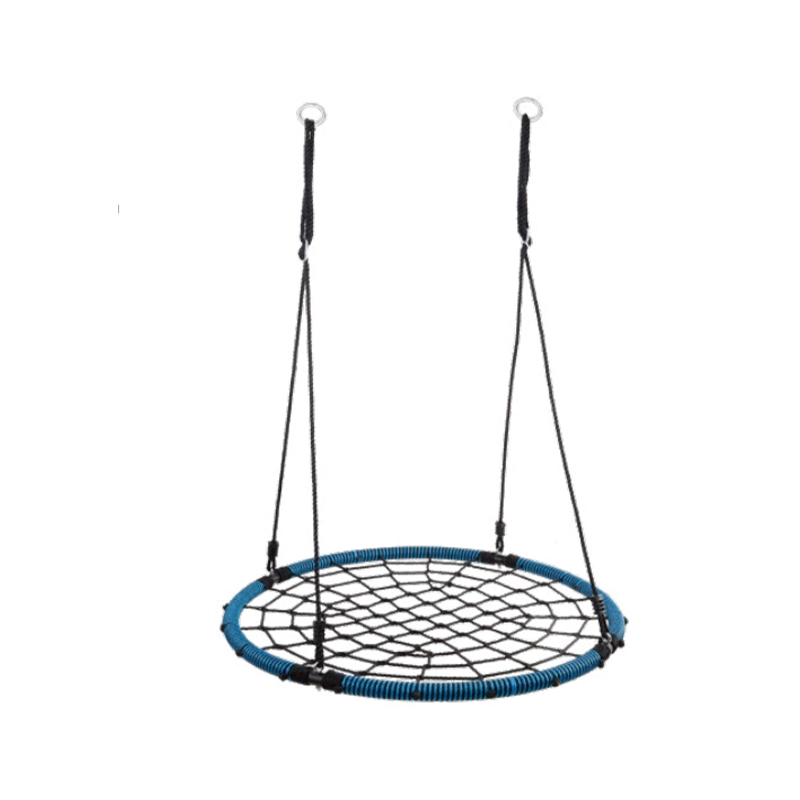
ชิงช้าเชือกตาข่ายทรงกลมนี้มีเทคนิคการทอแบบสองสี โดยมีเชือกโพลีเอทิลีนความหนาแน่นสูงพันกันเพื่อสร้างลวดลายตาข่ายรูปเพชรที่ทนทานต่อการเสียรูปในระหว่างการใช้งานเป็นเวลานาน โครงสร้างหลักสามารถแยกชิ้นส่...
ดูรายละเอียด -
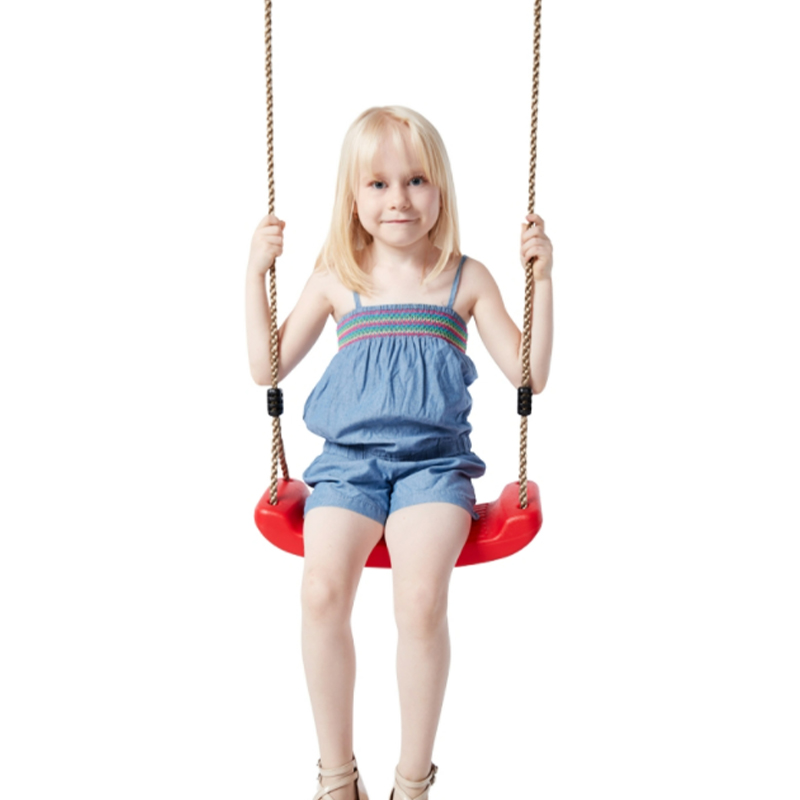
ที่นั่งสวิงพลาสติกเป่าขึ้นรูปได้รับการออกแบบมาเป็นพิเศษสำหรับเด็กอายุ 3 ปี ผลิตจากวัสดุโพลีเอทิลีนคุณภาพสูง เป็นมิตรกับสิ่งแวดล้อมและปลอดภัย ผลิตภัณฑ์มีน้ำหนักเบาและพกพาสะดวก พร้อมสีที่ปรับแต่งได้ ...
ดูรายละเอียด -
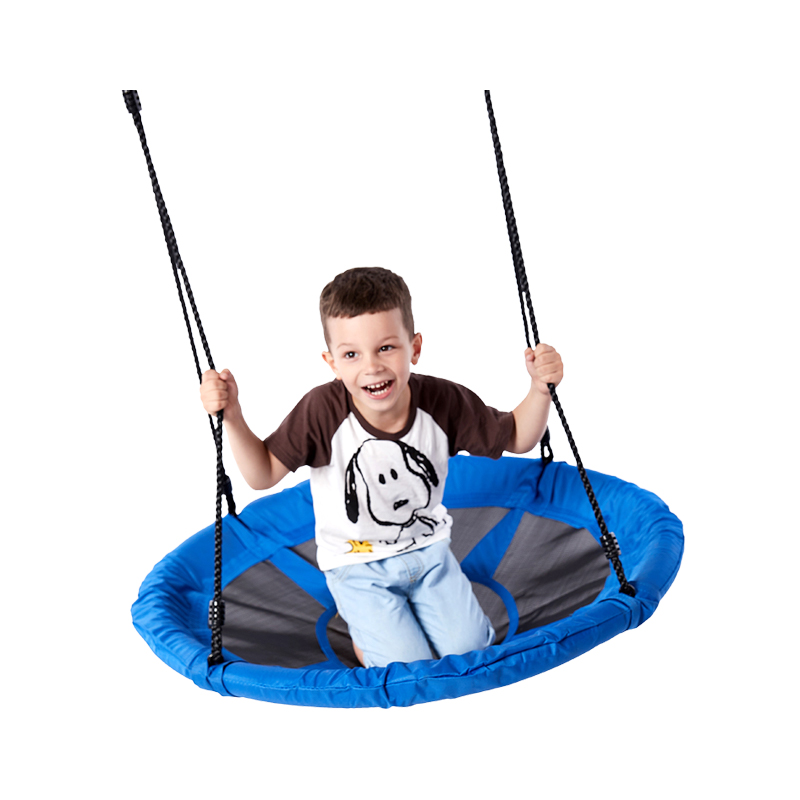
ชิงช้าจานรองกลางแจ้งนี้ประดิษฐ์ขึ้นด้วยผ้า Teslin ความหนาแน่น 2x1 ระดับพรีเมี่ยมที่ให้การป้องกันรังสียูวี ทนต่อการฉีกขาด ความคงทนของสี และประสิทธิภาพกันน้ำ ในขณะที่ให้สัมผัสที่สบาย ชิงช้ารังประกอบด...
ดูรายละเอียด
เชือกปีนและบันไดและหิน ความรู้ในอุตสาหกรรม
In the landscape of modern physical education and backyard recreation, the demand for equipment that balances neurological development with uncompromising safety has never been higher. Today’s play environments require more than just durability; they require ergonomically engineered solutions that adapt to a child’s growing physiology.
The Climbing Rope & Ladder & Stones system by our brand is engineered to meet these precise industry demands, integrating high-tensile materials with anatomical grip designs to foster strength, coordination, and sensory integration.
1. Material Engineering: The Foundation of Safety
The industry standard for outdoor play equipment has shifted from basic utility to "Lifetime Durability." Our components are selected based on their resistance to environmental stressors and mechanical wear.
Technical Specification Comparison
| Component | Industry Standard | Our Technical Edge | Benefit |
| Ropes | Standard Nylon | UV-Resistant PE/Polyester | Prevents brittleness and "rope burn" |
| Ladders | Softwood/Plastic | Anti-corrosion Hardwood (Birch/Beech) | Superior weight-bearing & natural tactile grip |
| Stones | Recycled Plastic | Seamless PP with Grip Texturing | Non-slip surface even when wet; no sharp seams |
| Hardware | Basic Galvanization | Multi-layer Rust-proof Coating | Extended lifespan in high-humidity/coastal areas |
2. Biomechanics of Play: How It Works
A complete climbing system must address three core areas of physical development: Vestibular (balance), Proprioception (body awareness), and Muscular Endurance.
-
The Rope Dynamics: Unlike rigid structures, the slight sway of our polyester ropes forces the core muscles to engage, improving "active balance."
-
The Ladder Geometry: Our hardwood rungs are spaced to match the average stride length of developing children, ensuring a rhythmic climb that builds confidence.
-
The Stone Ergonomics: Each "stone" features rounded edges and a matte texture, designed to maximize contact surface area for small hands, reducing the risk of accidental slips.
3. Compliance and Global Standards
For kindergartens and public playgrounds, certification is non-negotiable. Our systems are rigorously tested to meet and exceed:
-
EN71 (European Standard): Ensures chemical safety and mechanical stability.
-
ASTM (American Society for Testing and Materials): Validates structural integrity and entrapment prevention.
Professional Note: When selecting a climbing system, always verify that the "Stones" are made of seamless PP, as inferior molded plastics can crack under UV exposure, creating sharp edges.
4. Product Selection Guide: Matching Knowledge to Need
Ready to implement a professional-grade climbing solution? Use the guide below to find your perfect fit.
| Use Case | Recommended Configuration | Primary Benefit |
| Home Backyards | Climbing Rope & Ladder & Stones Full Set | Comprehensive physical workout for 1–3 children. |
| Kindergartens | Hardwood Ladders & Textured Stones | High-frequency use and group coordination. |
| Sensory Rooms | Soft-touch Ropes & Rounded Stones | Focus on tactile stimulation and motor planning. |
5. Frequently Asked Questions (FAQ)
Q: Are these materials safe for children with sensitive skin?
- A: Yes. Our Climbing Rope & Ladder & Stones use skin-friendly polyester and natural birch/beech wood. All plastics are BPA-free and the textures are designed to be non-abrasive.
Q: How do the wooden ladders hold up in rain or snow?
- A: Our hardwood is treated with a specialized anti-corrosion coating. However, for maximum longevity in extreme climates, we recommend a seasonal check and occasional oiling of the wood to maintain its structural elasticity.
Q: Can the "Stones" be installed on any surface?
- A: Our stones are designed for versatility. They can be mounted on standard wooden play towers, climbing walls, or custom backyard structures using our rust-proof hardware kits.
Q: What is the maximum weight capacity?
- A: While designed for children, our high-tensile PE ropes and hardwood rungs are tested to withstand significant loads. Specific weight ratings vary by configuration, but all meet or exceed EN71 safety factors for multiple users.

ผลิตภัณฑ์หลักของบริษัท: ชิงช้าเด็กและอุปกรณ์เสริม ตาข่ายปีน เชือกปีน สไลเดอร์ แทรมโพลีน และผลิตภัณฑ์อื่นๆ ในกลุ่ม
ลิงก์ด่วน
หมวดหมู่
ติดต่อเรา
-
 +86-13867893287
-
 +86-574-83516269
-
 sales@nbyongxu.com
-
 13-1 หมู่บ้านไหโข่ว เมืองซีเตี้ยน เทศมณฑลหนิงไห่ เมืองหนิงโป จีน.
ติดต่อเรา
ติดต่อเราเพื่อรับใบเสนอราคาฟรีและคำแนะนำเพิ่มเติมเกี่ยวกับชิงช้าเด็ก
